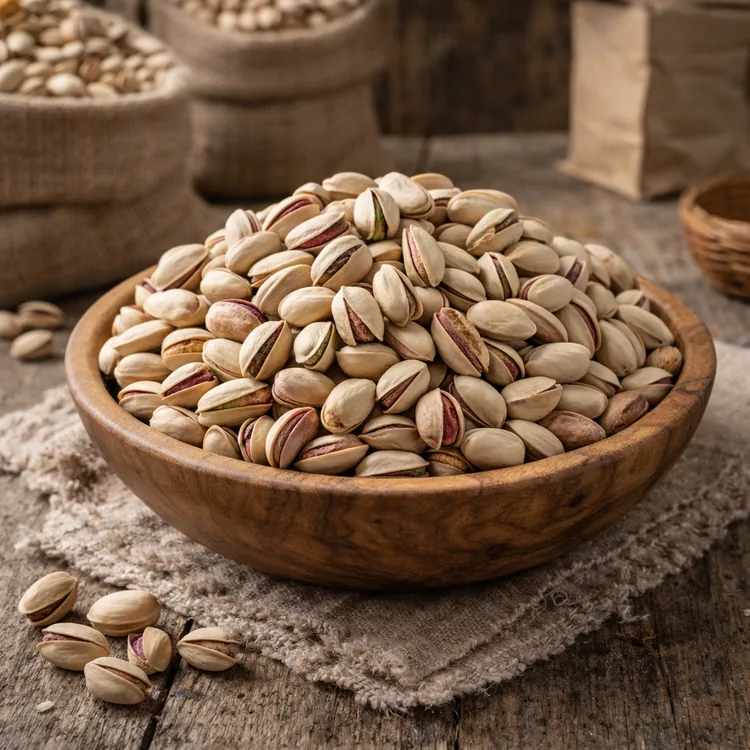
Who usually buys raw in-shell pistachios?
Importers, roasters, snack distributors, repackers and wholesalers commonly choose this format because it keeps the greatest downstream flexibility.
Why choose raw in-shell instead of roasted product?
This format lets the buyer decide roast profile, seasoning direction, packaging and market positioning after import.
Is this suitable for private-label snack programs?
Yes. Many buyers use raw in-shell product as the starting point for their own branded roasted or seasoned lines.
What matters most in the first inquiry?
The destination market, intended use, approximate volume, packaging direction and any expectations around shell presentation or later roasting plans.
Can this product be sold without roasting?
Yes, depending on the buyer’s commercial model and market preference, although many programs use the raw format specifically because it allows later processing decisions.
Why is this format considered flexible?
Because it can be routed into multiple commercial paths, including wholesale trade, repacking, private label and roasting programs.
Does shell appearance matter?
Yes. In-shell products remain visually exposed, so overall shell presentation often influences commercial perception, especially in retail or premium use.
Is this only for snack brands?
No. It can also suit importers, distributors, wholesalers and specialty retailers that need a natural in-shell pistachio format for broader trade activity.
Can this work in mixed nut assortments?
Yes. The whole-nut in-shell format can add visual diversity and recognizable product identity in mixed nut programs.
What makes it useful for roasters?
Roasters can decide later how the product should taste, look and be positioned in the final market instead of inheriting a fixed finished roast style.
Can importers use this as a core inventory line?
Yes. Many importers value it as a foundational pistachio product that can be allocated across several customer groups and product strategies.
Is it suitable for specialty retail?
Yes. The natural whole-nut presentation can support more traditional or origin-focused retail positioning when the market values natural identity.
Why not buy roasted and salted in-shell product instead?
Buyers that want more control over later processing, local taste preferences or private-label positioning often prefer to start with raw format.
What should buyers tell Atlas first?
They should explain the intended channel, whether the product will remain natural or be roasted later, the likely order size and the preferred packaging or handling direction.
Can this product fit both premium and mainstream channels?
Yes. The same raw format can often be directed toward different channels depending on how it is later processed, packed and merchandised.
Why is this a useful starting point for snack programs?
Because it allows the buyer to shape roast, flavor, pack size and brand position closer to the final commercial environment.
Does this format support repeat purchase programs?
Yes. Where the buyer has an ongoing nut business, raw in-shell pistachios can become a regular part of recurring supply planning.
What makes Antep pistachios commercially distinctive in this format?
For many buyers, the combination of Turkish origin identity, whole in-shell presentation and downstream flexibility creates a strong commercial story.