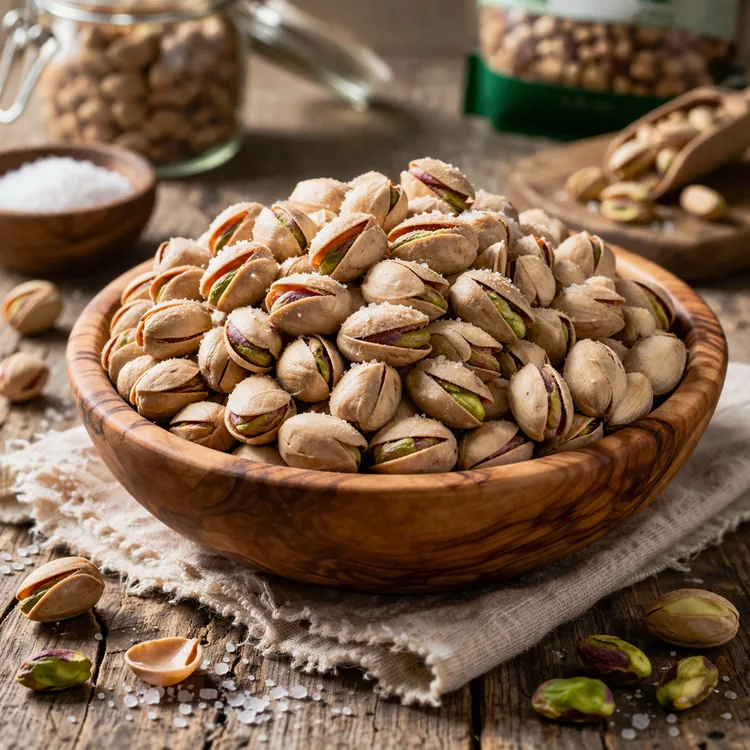
What type of buyer usually chooses roasted and salted in-shell pistachios?
Retail-focused brands, private-label buyers, distributors and hospitality-oriented resellers often choose this format because it is closer to the final point of sale and easy to position commercially.
Why is destination market important?
Different markets often prefer different roast intensity, salt balance, price points and pack sizes, so the destination market helps shape the right product direction.
Can this product fit premium retail shelves?
Yes. It is especially suitable when visual presentation, crunch, familiarity and premium snack identity matter in the final shelf proposition.
What should be included in an inquiry?
Target market, packaging direction, approximate volume, ordering frequency and any preference around roast or salt style are the most useful starting points.
Is this product only for supermarkets?
No. It may also work well in specialty food shops, gourmet retailers, hotel resale programs, lounges, gift assortments and wholesale snack distribution.
Can this product support private-label projects?
Yes. It is a strong candidate for private label because it is easy for consumers to understand and can be adapted to multiple shelf-positioning strategies.
Why is shell appearance important?
In-shell products remain visually exposed, so shell presentation directly affects perceived quality, especially in transparent or premium retail packs.
What makes this format different from raw in-shell pistachios?
Roasted and salted in-shell pistachios are commercially closer to final sale. The discussion moves from raw supply and processing flexibility toward taste, crunch, shelf appeal and consumer readiness.
Can buyers use this product in gift boxes or seasonal collections?
Yes. Its visual presence and premium snack identity make it a strong option for gift-oriented food assortments and special promotional collections.
Does this format work for mainstream as well as premium channels?
Yes. The same core product type can often be directed toward different channels depending on pack style, positioning and the intended consumer segment.
What is usually more important than purely technical detail in the early stages?
Commercial clarity is often more important at first: where the item will be sold, how it will be packed and what consumer impression it needs to create.
Is this a good format for importers that supply several customer types?
Yes. Importers and distributors often like this format because it can serve retail, foodservice resale, specialty shops and private-label customers with the right packaging approach.
Why does pack style matter so much?
Pack style influences the final commercial perception of the product, affects shelf behavior and helps determine whether the product reads as premium, practical, giftable or mainstream.
Can this product be part of a broader pistachio assortment strategy?
Absolutely. It often works well alongside kernel products, pistachio paste or value-added pistachio ingredients within a wider product family.
What makes it attractive for snack brands?
It has immediate consumer recognition, a premium feel and a strong sensory identity, which makes it a practical SKU for building credibility in the nut category.
Does the product suit premium jar packaging?
Yes. Jars and other rigid formats can work especially well when visual presentation and perceived value are central to the selling strategy.
Is the crack-open experience commercially relevant?
Yes. The interactive nature of in-shell pistachios is part of their appeal and can support premium snack positioning and repeat-purchase behavior.
Can this be sold through hospitality channels?
Yes. Depending on pack style and program design, it can suit lounges, hotels, minibar concepts, premium guest amenities and high-end foodservice resale.